
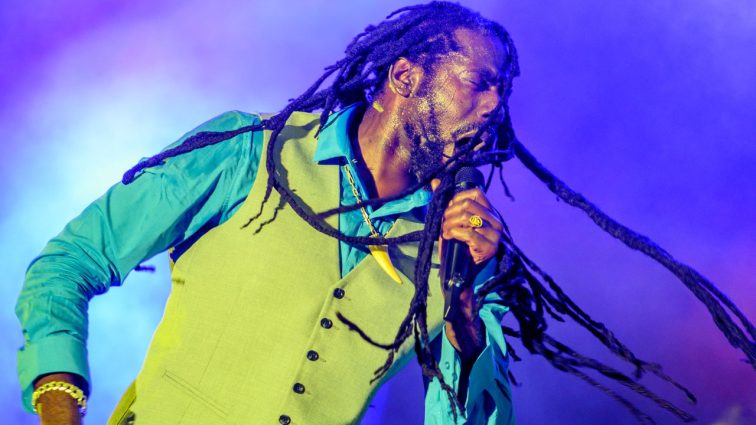
Jamaican dancehall singer Buju Banton has ignited a heated debate over cultural appropriation in music. He has accused several afrobeats artists of drawing extensively from Jamaican reggae and dancehall. Buju Banton claims that these artists have failed to give due credit or show appropriate respect to the origins of the musical influences they incorporate
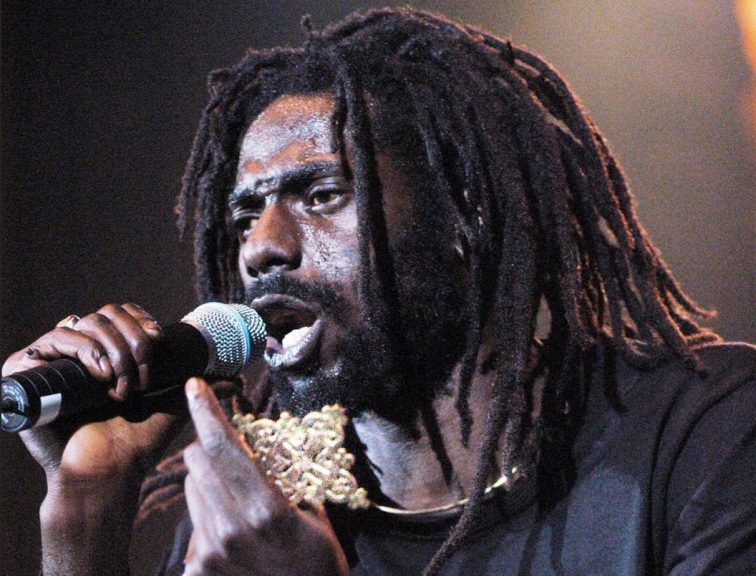
In a recent episode of the “Drink Champs” podcast, Buju Banton criticized some African artists for not acknowledging the deep roots of Jamaican music. He says Jamaican sound has significantly influenced the afrobeats genre. Conversely, he argues that Afrobeats artists frequently create music that lacks a positive message. Banton underscored Kenya, among other African countries, to strengthen his point, noting that these nations, amid their political challenges, required unifying music in these critical periods.
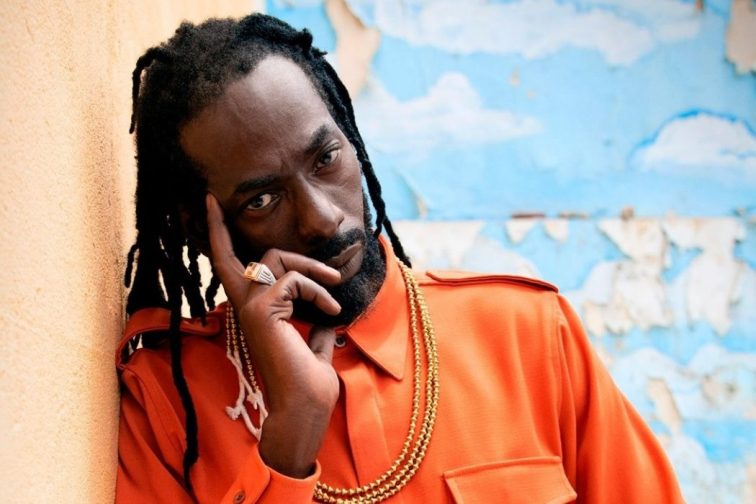
“Tell me one Afrobeats song that can uplift us. Kenya is suffering. The young men of Kenya are revolting… Sudan, South Sudan, you name it. But which one of these songs can I relate to for peace of mind; to tell me that I’m in the struggle and we are going to be better in the struggle, and even though the struggle is hard, we’re going to overcome,” he said.
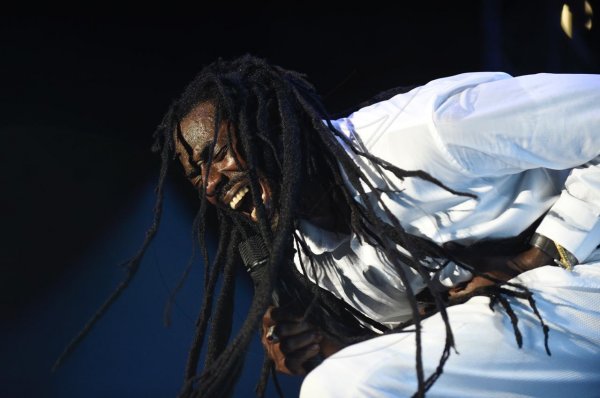
Banton highlighted the role of reggae and dancehall as more than just musical styles—they are integral parts of Jamaican cultural heritage and symbols of resistance against oppression. He called on artists to recognize the contributions of Jamaican music and use their influence to engage in meaningful social commentary and advocacy for liberation, reinforcing the need for respect and reciprocal recognition in the music industry.
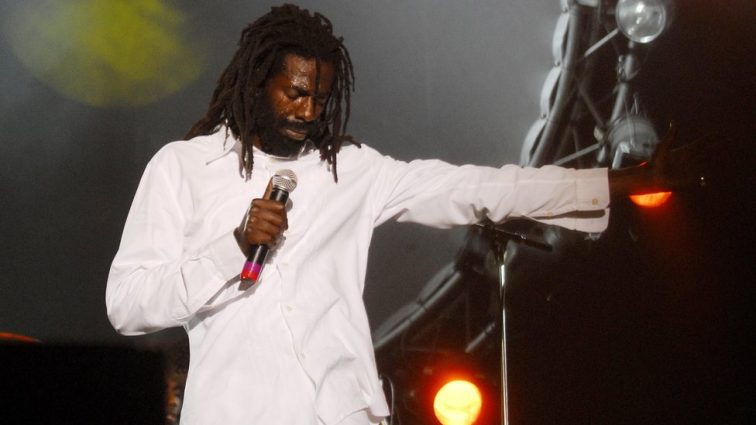
Interestingly, Buju Banton expressed no objections to hip-hop. He recounted his initial exposure to the genre as a teenager, recalling how he was quickly enthralled by its beats and lyrical energy. “We got exposed to hip hop, We were listening to Slick Rick and Doug E. Fresh’s ‘The Show’… hip hop has always been influential.” Banton added that he was further endeared to the genre when he learned about its originator, DJ Kool Herc. “I realized that Kool Herc was a DJ, a Jamaican, who made the fusion more palatable,” he noted. “I said, ‘OK, then it makes sense.’ So, we embrace it.”